Back to Blog
Growth Engineering Case Study

Continuous Assessment: Turning Student Performance Into Better Learning

VR
Vrinda Vijayan
September 09, 2026
1 min read
Image Credits - IMAGES CREDITS: PEXELS

A student gets 42 out of 50 in a test. That tells us the score, but not the full story.

Which topics did they find difficult? Was the problem a lack of practice, or did they misunderstand a particular concept? Should the teacher move forward or spend more time on the topic?

These are the kinds of questions that regular assessment can help answer.

Instead of waiting for a final examination to understand student performance, academies can use smaller activities throughout the course to get a clearer picture of how learning is going.


A student gets 42 out of 50 in a test. That tells us the score, but not the full story.

Which topics did they find difficult? Was the problem a lack of practice, or did they misunderstand a particular concept? Should the teacher move forward or spend more time on the topic?

These are the kinds of questions that regular assessment can help answer.

Instead of waiting for a final examination to understand student performance, academies can use smaller activities throughout the course to get a clearer picture of how learning is going.


Look Beyond the Final Result

A final exam gives a useful overall result, but by then, there may be little opportunity to correct the problems behind that result.

Regular check-ins give teachers more chances to notice things such as:

  1. A topic that many students are struggling with
  2. Students who need additional practice
  3. Concepts that have been understood well
  4. Areas where a particular student may need extra support

This information can influence what happens in the next class.

For instance, if most students struggle with a particular chapter, the trainer can revisit the difficult parts before introducing a new one.

Not Every Assessment Needs to Be a Test

Assessment can take different forms depending on the course.

A coaching centre preparing students for competitive exams may use short topic tests and mock exams.

A coding academy may ask students to build a small project after completing a programming module.

A language institute could use a short speaking activity or writing exercise.

A professional training centre might use a case study to see whether students can apply what they have learned.

The method can change, but the purpose stays the same: find out whether students can actually use what they have learned.

A Practical Classroom Example

Consider a Python course.

After teaching functions, the trainer gives students a small coding task. Most students complete it, while a few repeatedly make mistakes when passing parameters.

That gives the trainer something useful to work with.

Rather than moving straight to the next chapter, the trainer can spend a few minutes revisiting parameters and give those students another exercise.

The next activity then becomes a response to what happened in the previous one.

That is where regular assessment becomes valuable it can influence teaching while the course is still in progress.

Give Students Something Useful to Work On

The benefit is not only for trainers.

Students can also use feedback from quizzes, assignments and practical activities to understand where they need more practice.

Instead of thinking, I got a low mark, they can understand, I need to work more on this topic.

That makes feedback more useful than a number on a result sheet.

Keep the Information Easy to Find

As an academy grows, assessment information can quickly spread across spreadsheets, documents and separate communication channels.

A teacher may need to check an old assignment, compare results or review a student's previous work.

When this information is properly organised with the relevant student, batch or course, it becomes much easier to refer back to when needed.

This is especially useful for institutes handling several courses and batches at the same time.

Keep It Simple

More assessment does not automatically mean better learning.

Giving students too many tests can make the process tiring without providing much additional value.

A better approach is to use activities at useful points in the course:

Teach → Practise → Check → Respond

The “check” could be a quiz, assignment, practical activity or discussion. What matters is what the teacher does with the result afterwards.


Where Batchwise Fits In

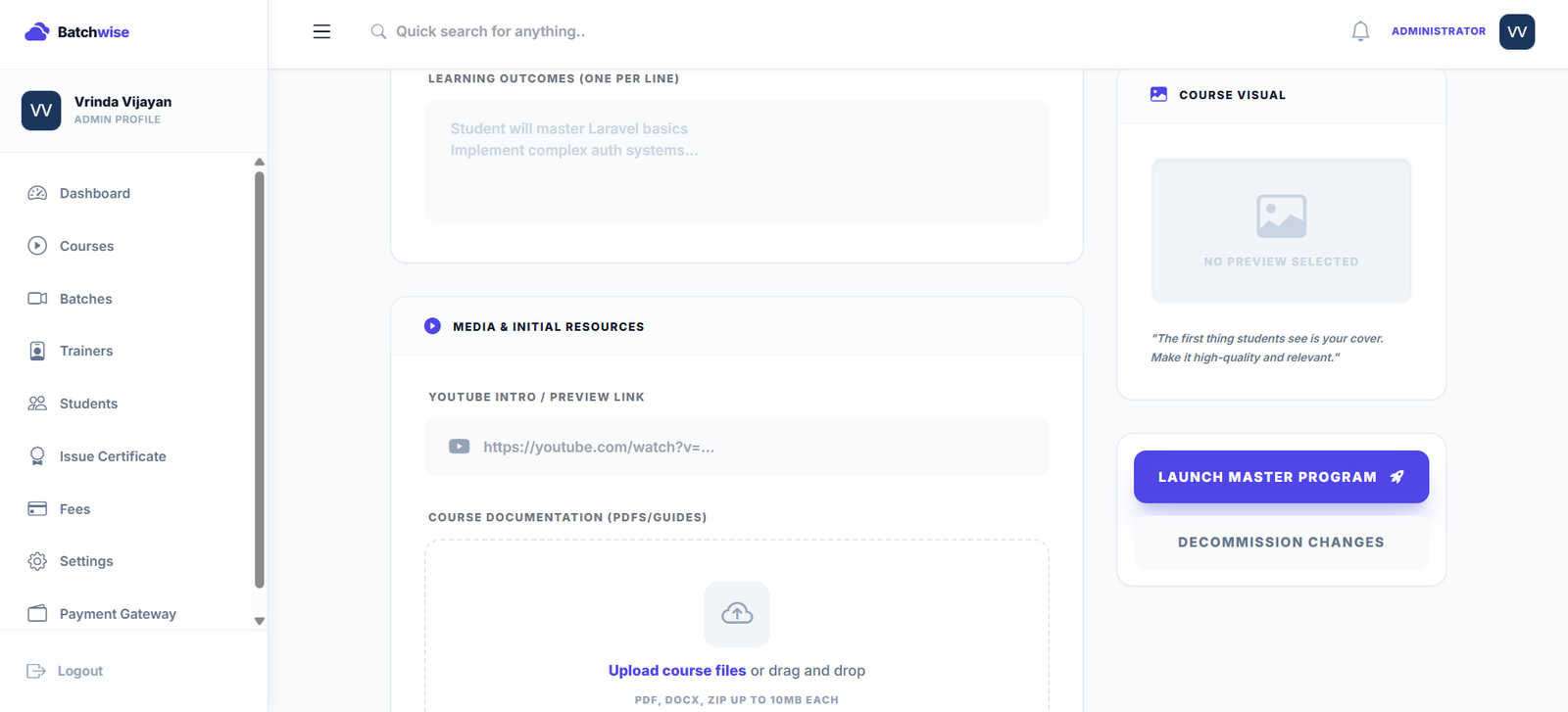
Managing students, courses, batches, classes, learning resources and assessments can become difficult when everything is handled separately.

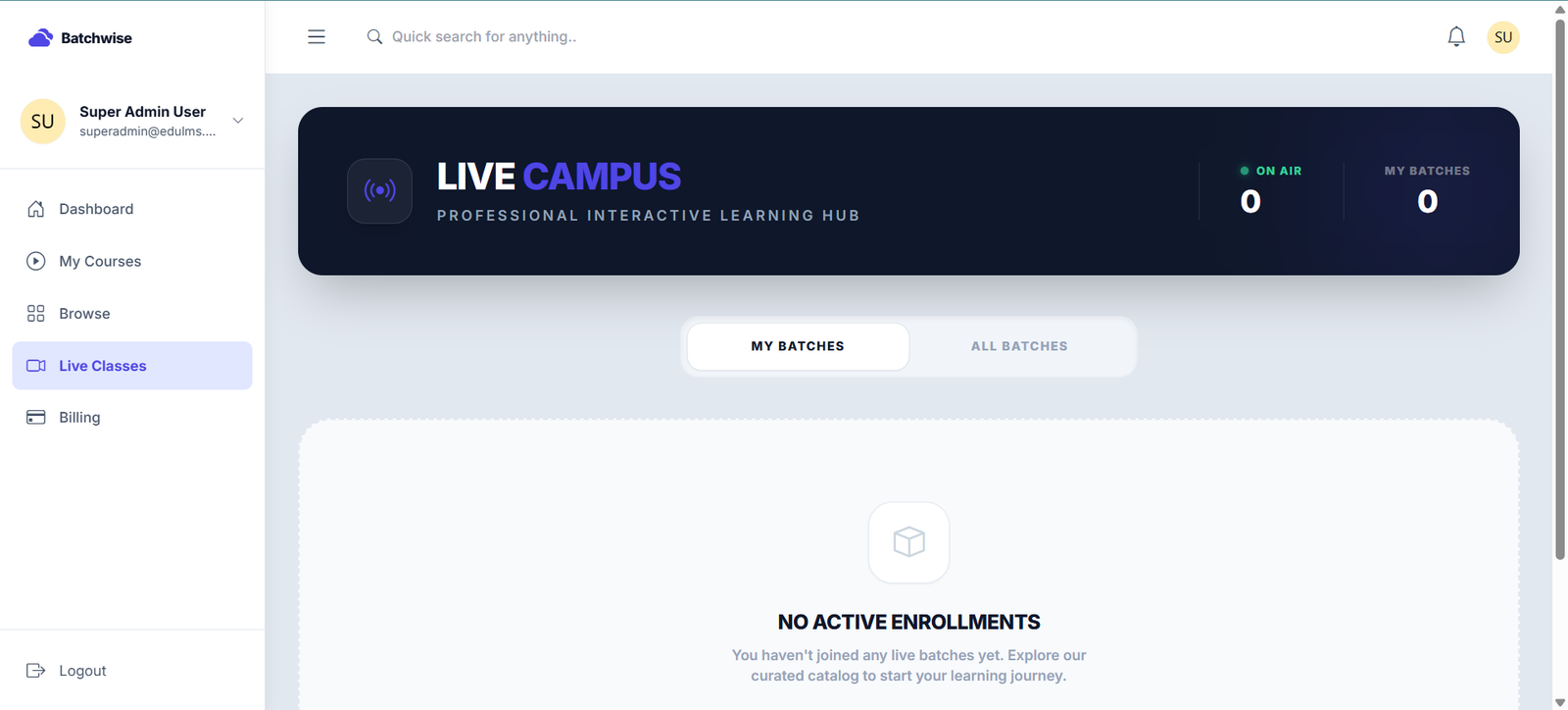
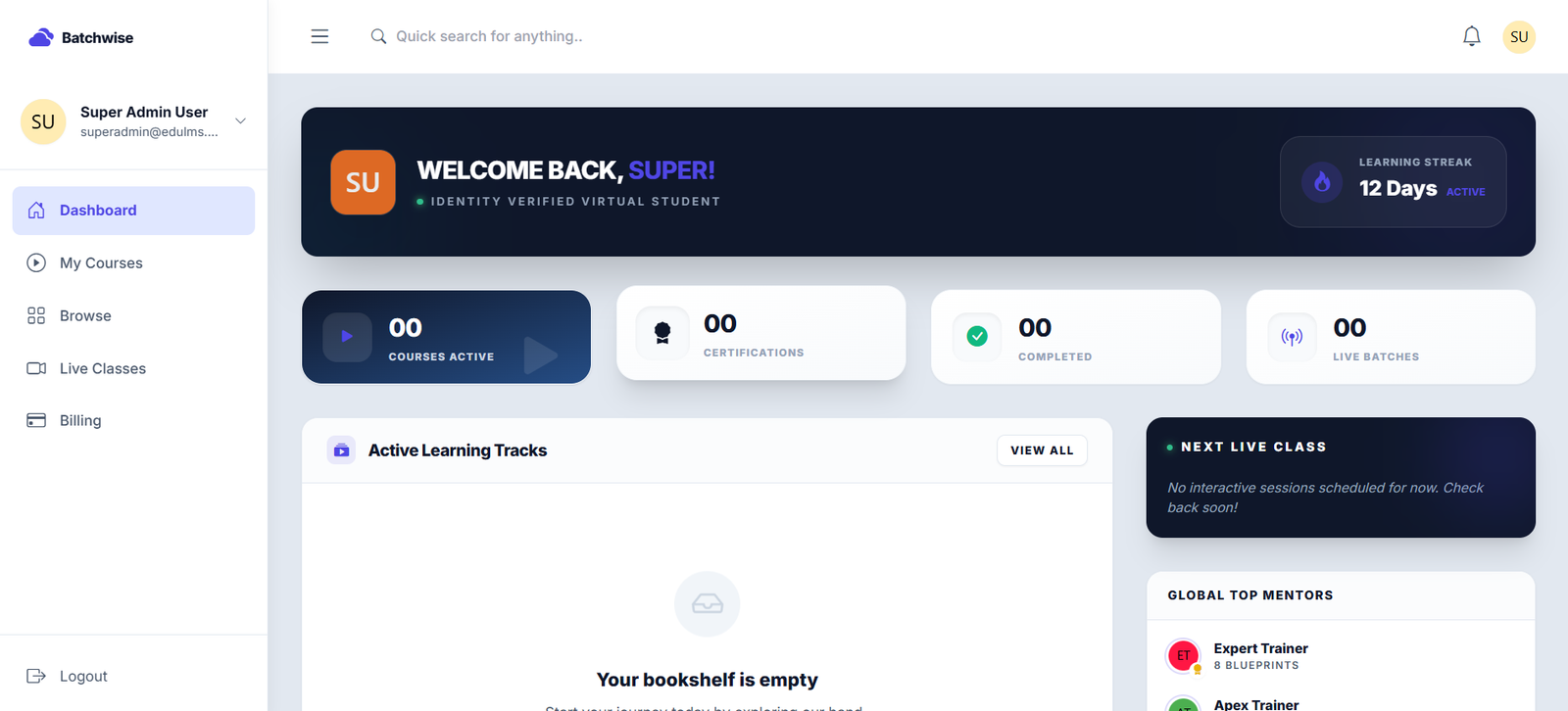
Batchwise helps academies bring these academic activities into one system, making it easier to organise assessment-related information alongside the rest of the learning process.

This allows teachers and administrators to spend less time looking for information and more time acting on it.

Conclusion

Good assessment is not simply about giving students marks.

It is about getting useful information at the right time while there is still an opportunity to help.

A short quiz can reveal a difficult topic. An assignment can show where students need more practice. A practical task can show whether they can apply a concept outside the classroom.

When academies use these small insights to guide teaching and support students, assessment becomes part of the learning process rather than just a way of measuring the final result.

Want to make assessment easier to manage? Explore Batchwise and keep students, courses, batches, classes, learning resources and assessments organised in one system.


Author
VR

Vrinda Vijayan

Lead Trainer

Author for Batchwise Blog. Sharing premium blueprints and operational workflows to scale academies.

Ready to grow your academy?

Streamline attendance, manage fees, run interactive quizzes, and launch premium courses effortlessly.