Students do not all learn in the same way. Some enjoy being in a classroom and interacting with a teacher, while others prefer the flexibility of learning online.
For academies, this can make the choice between online and offline learning difficult. But there is another option: use both.
A hybrid learning model combines classroom teaching with online learning, allowing academies to use each method where it makes the most sense.
Back to Blog
Growth Engineering
Case Study
Online vs. Offline Learning: Why Modern Academies Are Choosing a Hybrid Model
VR
Vrinda Vijayan
September 07, 2026
1 min read
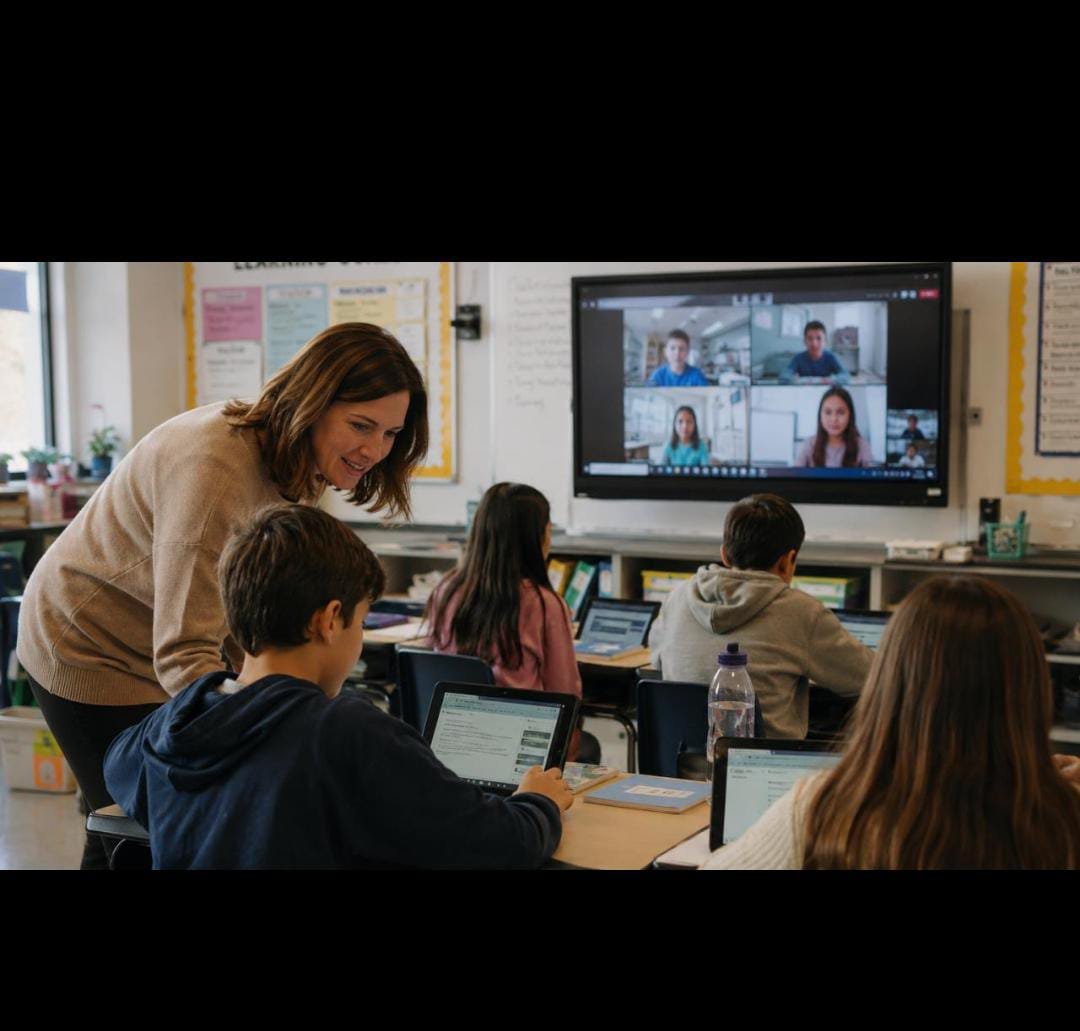
Image Credits - IMAGES CREDITS: PEXELS
Students do not all learn in the same way. Some enjoy being in a classroom and interacting with a teacher, while others prefer the flexibility of learning online.
For academies, this can make the choice between online and offline learning difficult. But there is another option: use both.
A hybrid learning model combines classroom teaching with online learning, allowing academies to use each method where it makes the most sense.
Online and Offline Learning: What Does Each Do Best?
Online learning is useful when students need flexibility. They can access study materials from anywhere, revisit recorded lessons, and complete quizzes or assignments without being in the classroom.
Offline learning has a different advantage. Students can ask questions directly, take part in discussions, and get immediate help when they are struggling with a topic. It is also a better fit for practical training and hands-on activities.
Neither option is perfect for every situation. That is why combining them can work well.
Why Hybrid Learning Can Be a Better Choice
A hybrid model is not about dividing a course into equal parts online and offline. It is about choosing the right format for each activity.
For example:
- Classroom: Practical sessions, workshops, difficult concepts and group discussions
- Online: Recorded lessons, revision, quizzes and study materials
- Both: Doubt-clearing, assessments and student support
This gives students the chance to learn with their teacher in person while still having the freedom to study outside the classroom.
What Could a Hybrid Schedule Look Like?
Take a technical coaching institute as an example.
- Monday: Classroom session to introduce a new topic
- Tuesday: Online revision using recorded lessons
- Wednesday: Online quiz
- Thursday: Classroom practical session
- Friday: Assignment and progress review
This simple structure gives students regular classroom interaction without making them depend completely on physical classes.
Of course, the schedule can be different for every academy. A language institute, coding centre, and exam coaching centre may all need different combinations.
How Can Academies Get Started?
Moving to a hybrid model does not have to mean changing everything at once.
1. Keep Important Interactive Sessions Offline
Practical training, demonstrations and topics that need detailed discussion can remain in the classroom.
2. Take Suitable Activities Online
Recorded lessons, revision materials, quizzes and assignments can be made available online.
3. Make the Schedule Easy to Follow
Students should know exactly which sessions they need to attend and which activities they can complete online.
4. Track Student Progress
Attendance is useful, but it does not tell the whole story. Quiz results, assignments and participation can help teachers see who is keeping up and who may need extra support.
5. Avoid Managing Everything Separately
Hybrid learning can become difficult when courses, attendance, classes, resources and assessments are spread across different tools.
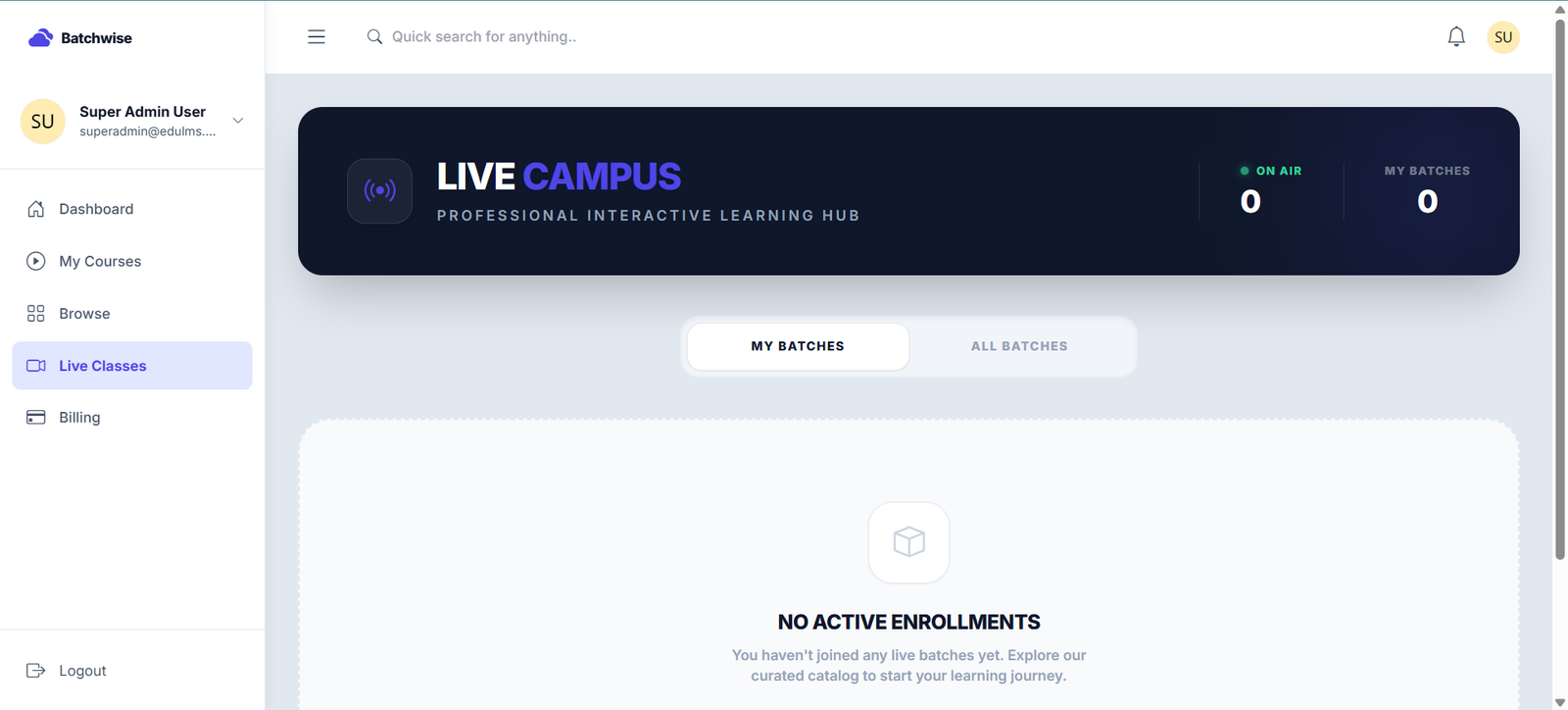
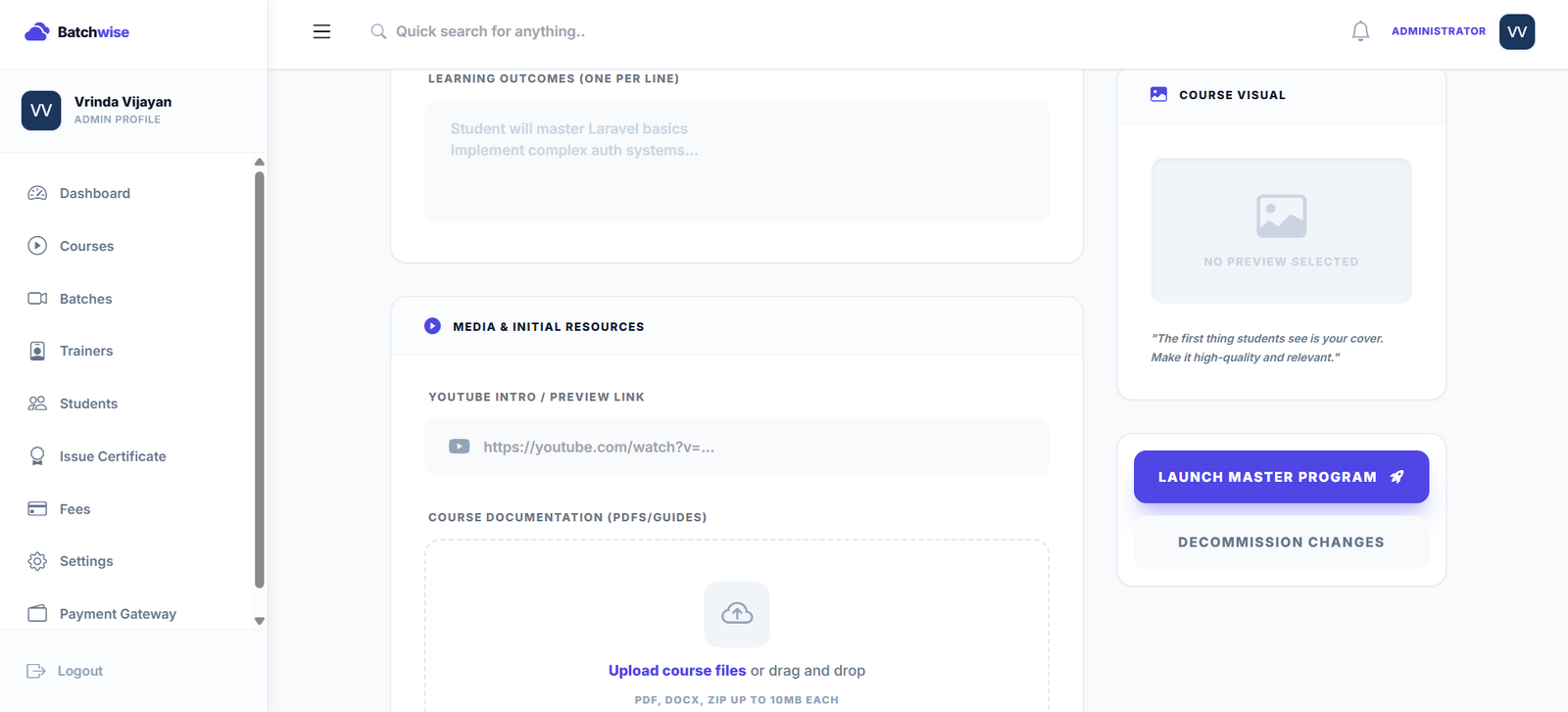
A platform such as Batchwise can help academies manage courses, batches, live classes, attendance, assessments and learning resources in one place. This can make day-to-day management easier as the academy grows.
- Mistakes to Avoid
A hybrid model can create more problems if it is not planned properly.
Academies should avoid:
- Putting every lesson online just because they can
- Using too many different tools
- Creating complicated schedules
- Uploading recordings without organising them
- Looking at attendance alone to measure student progress
The technology should support the learning process, not make it harder for students or teachers.
Conclusion
Online and offline learning both have something valuable to offer.
Classroom learning provides direct interaction and practical experience. Online learning gives students flexibility and easier access to learning resources.
For many academies, combining the two can be a practical way to offer a better learning experience without completely changing how they teach.
The key is to keep things simple: use classroom time where interaction matters most, and use online learning where flexibility adds value.
With the right structure and tools, academies can give students more ways to learn while keeping everyday management under control.
Author
VR
Vrinda Vijayan
Lead Trainer
Author for Batchwise Blog. Sharing premium blueprints and operational workflows to scale academies.
Ready to grow your academy?
Streamline attendance, manage fees, run interactive quizzes, and launch premium courses effortlessly.