Back to Blog
Growth Engineering Case Study

Running Live and Recorded Classes Together: How Academies Can Keep Learning Organised

VR
Vrinda Vijayan
September 21, 2026
5 min read

Not every student can be in front of a screen at the exact time a class starts.

Work, travel, personal commitments or a simple scheduling conflict can cause someone to miss a session. At the same time, live teaching still has something valuable to offer: real-time questions, discussions and interaction with the tutor.

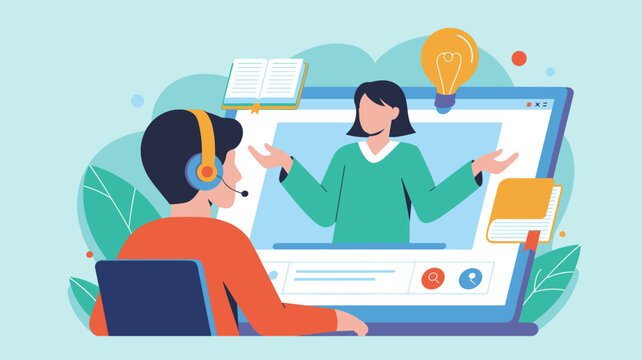
This is why many training institutes are using a combination of live and recorded classes.

The challenge is making the two work together instead of treating them as separate parts of a course.

Live Classes Have Their Own Value

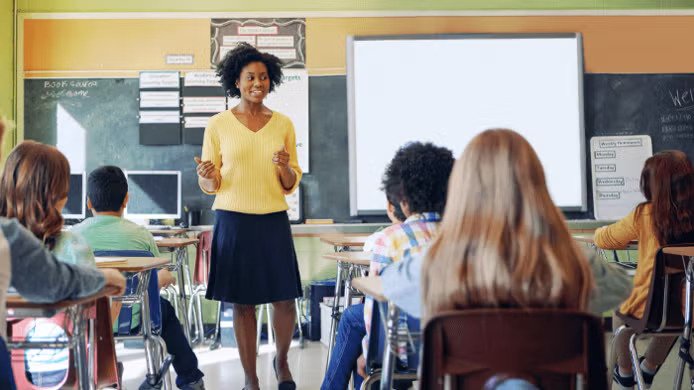
A live session gives learners the chance to participate rather than simply watch.

They can ask a question when they get stuck, follow a demonstration as it happens and hear explanations based on the questions raised by the group.

For subjects that need discussion, problem-solving or practical demonstrations, this interaction can make a big difference.

But a live class has one limitation: it happens at a particular time.

That is where recordings become useful.

A Recording Can Keep One Missed Class From Becoming a Missed Topic

Missing a session does not necessarily mean missing the entire lesson.

A recorded class gives learners the chance to go back to what was covered. They can watch it later, pause when something is difficult, or revisit a particular explanation before moving forward.

It can also be useful for revision.

Someone who understood a topic during class may still want to watch part of the lesson again before an assignment or assessment.


Making Live and Recorded Learning Work as One

Simply recording every class is not enough.

If the video ends up as a link buried inside a WhatsApp conversation, finding it later can be frustrating.

A better approach is to connect the recording with the lesson it belongs to.

For example, a digital marketing course might follow this structure:

Live session → Class recording → Learning material → Assignment → Assessment

The learner knows what was taught, where to revisit it and what to do next.

That small amount of structure can make the whole learning process easier to follow.

Keep the Right Recording With the Right Lesson

As more classes are conducted, the number of recordings can quickly increase.

A course running for several months may have dozens of videos. If they are stored without a clear structure, learners may spend more time searching than learning.

Organising recordings by course, batch, topic or lesson gives them a clear place to go back to.

It also helps tutors when they need to refer students to an earlier session.

Flexibility Should Not Mean Losing Direction

Recorded learning gives people freedom to learn at a convenient time.

But flexibility works better when there is still a clear path.

Instead of simply giving learners access to a collection of videos, an academy can guide them through the course in a logical order.

For example, after watching a lesson on SQL joins, a learner could move to a practice task and then complete a short assessment.

They have freedom over when they learn, while the course still provides direction.

Tutors Can Use Recordings Beyond Catch-Up

Recordings are not only useful for students who missed a class.

A tutor can use an earlier session when revising a topic, answering a recurring question or helping someone who needs additional practice.

It can also reduce the need to repeat the same explanation for every learner who joins later or needs clarification.

The live session remains the place for interaction, while the recording becomes an additional learning resource.

What Happens When Someone Joins Mid-Course?

This is another situation where recorded classes can help.

Suppose a learner joins a course after three sessions have already taken place.

They do not necessarily need to wait for another batch to begin. If the earlier lessons are available, they can work through those sessions and gradually catch up with the rest of the group.

This can make course enrolment more flexible while keeping previous learning accessible.

Don't Leave Assignments Out of the Picture

Watching a class is only one part of learning.

Learners often understand a topic better when they have to use it themselves.

A recorded lesson can therefore be followed by an assignment, quiz or assessment related to the topic.

For example:

  1. Class: Introduction to Python
  2. Recording: Available for revision
  3. Assignment: Write a simple Python program
  4. Assessment: Short quiz on the concepts covered

This creates a more complete learning experience instead of making the course a collection of videos.

One Place Can Make the Experience Simpler

When class links are in one app, recordings in another location, assignments shared separately and student information stored in spreadsheets, both learners and staff have more places to check.

Keeping these activities within the same learning environment can make the process easier to follow.

Batchwise brings together courses, batches, live classes, recordings, assignments and assessments, allowing academies to organise different parts of the learning experience within one platform.

The Goal Is Not to Choose Between the Two

Live and recorded classes solve different problems.

Live teaching provides interaction and immediate support. Recorded content gives learners another opportunity to learn, revise or catch up.

Used together, they can give learners the best parts of both formats without making the course feel disconnected.

Conclusion

A missed class should not automatically mean a missed learning opportunity.

At the same time, giving students recordings without any structure can leave useful content difficult to find and easy to ignore.

When live sessions, recordings, learning materials and assessments follow a clear path, learners know where they are, what they have missed and what comes next.

For academies, that means less confusion behind the scenes and a more organised learning experience for everyone involved.

Bringing live and recorded learning together?

Give your students a more organised way to learn, catch up and stay on track with Batchwise.

Explore Batchwise → https://gobatchwise.com


Not every student can be in front of a screen at the exact time a class starts.

Work, travel, personal commitments or a simple scheduling conflict can cause someone to miss a session. At the same time, live teaching still has something valuable to offer: real-time questions, discussions and interaction with the tutor.

This is why many training institutes are using a combination of live and recorded classes.

The challenge is making the two work together instead of treating them as separate parts of a course.

Live Classes Have Their Own Value

A live session gives learners the chance to participate rather than simply watch.

They can ask a question when they get stuck, follow a demonstration as it happens and hear explanations based on the questions raised by the group.

For subjects that need discussion, problem-solving or practical demonstrations, this interaction can make a big difference.

But a live class has one limitation: it happens at a particular time.

That is where recordings become useful.

A Recording Can Keep One Missed Class From Becoming a Missed Topic

Missing a session does not necessarily mean missing the entire lesson.

A recorded class gives learners the chance to go back to what was covered. They can watch it later, pause when something is difficult, or revisit a particular explanation before moving forward.

It can also be useful for revision.

Someone who understood a topic during class may still want to watch part of the lesson again before an assignment or assessment.


Making Live and Recorded Learning Work as One

Simply recording every class is not enough.

If the video ends up as a link buried inside a WhatsApp conversation, finding it later can be frustrating.

A better approach is to connect the recording with the lesson it belongs to.

For example, a digital marketing course might follow this structure:

Live session → Class recording → Learning material → Assignment → Assessment

The learner knows what was taught, where to revisit it and what to do next.

That small amount of structure can make the whole learning process easier to follow.

Keep the Right Recording With the Right Lesson

As more classes are conducted, the number of recordings can quickly increase.

A course running for several months may have dozens of videos. If they are stored without a clear structure, learners may spend more time searching than learning.

Organising recordings by course, batch, topic or lesson gives them a clear place to go back to.

It also helps tutors when they need to refer students to an earlier session.

Flexibility Should Not Mean Losing Direction

Recorded learning gives people freedom to learn at a convenient time.

But flexibility works better when there is still a clear path.

Instead of simply giving learners access to a collection of videos, an academy can guide them through the course in a logical order.

For example, after watching a lesson on SQL joins, a learner could move to a practice task and then complete a short assessment.

They have freedom over when they learn, while the course still provides direction.

Tutors Can Use Recordings Beyond Catch-Up

Recordings are not only useful for students who missed a class.

A tutor can use an earlier session when revising a topic, answering a recurring question or helping someone who needs additional practice.

It can also reduce the need to repeat the same explanation for every learner who joins later or needs clarification.

The live session remains the place for interaction, while the recording becomes an additional learning resource.

What Happens When Someone Joins Mid-Course?

This is another situation where recorded classes can help.

Suppose a learner joins a course after three sessions have already taken place.

They do not necessarily need to wait for another batch to begin. If the earlier lessons are available, they can work through those sessions and gradually catch up with the rest of the group.

This can make course enrolment more flexible while keeping previous learning accessible.

Don't Leave Assignments Out of the Picture

Watching a class is only one part of learning.

Learners often understand a topic better when they have to use it themselves.

A recorded lesson can therefore be followed by an assignment, quiz or assessment related to the topic.

For example:

  1. Class: Introduction to Python
  2. Recording: Available for revision
  3. Assignment: Write a simple Python program
  4. Assessment: Short quiz on the concepts covered

This creates a more complete learning experience instead of making the course a collection of videos.

One Place Can Make the Experience Simpler

When class links are in one app, recordings in another location, assignments shared separately and student information stored in spreadsheets, both learners and staff have more places to check.

Keeping these activities within the same learning environment can make the process easier to follow.

Batchwise brings together courses, batches, live classes, recordings, assignments and assessments, allowing academies to organise different parts of the learning experience within one platform.

The Goal Is Not to Choose Between the Two

Live and recorded classes solve different problems.

Live teaching provides interaction and immediate support. Recorded content gives learners another opportunity to learn, revise or catch up.

Used together, they can give learners the best parts of both formats without making the course feel disconnected.

Conclusion

A missed class should not automatically mean a missed learning opportunity.

At the same time, giving students recordings without any structure can leave useful content difficult to find and easy to ignore.

When live sessions, recordings, learning materials and assessments follow a clear path, learners know where they are, what they have missed and what comes next.

For academies, that means less confusion behind the scenes and a more organised learning experience for everyone involved.

Bringing live and recorded learning together?

Give your students a more organised way to learn, catch up and stay on track with Batchwise.

Explore Batchwise → https://gobatchwise.com

Author
VR

Vrinda Vijayan

Lead Trainer

Author for Batchwise Blog. Sharing premium blueprints and operational workflows to scale academies.

Ready to grow your academy?

Streamline attendance, manage fees, run interactive quizzes, and launch premium courses effortlessly.